




The Future of Adaptive Learning: Embracing Personalized Education Through Mobile Innovation
In the rapidly evolving landscape of educational technology, few trends have shown as much transformative potential as adaptive learning systems. These platforms leverage sophisticated algorithms and data analytics to tailor educational experiences to individual learners, thereby fostering engagement, retention, and skill mastery. As mobile technology becomes increasingly integral to everyday life, integrating adaptive learning into accessible, user-friendly mobile applications is no longer a luxury but a necessity for the modern educational ecosystem.
The Rise of Adaptive Learning: A Paradigm Shift
Traditional education models often struggle to cater to the diverse needs and paces of individual students. Fixed curricula, standardized assessments, and one-size-fits-all approaches frequently result in disengagement or underachievement. Adaptive learning addresses these issues by customizing content delivery based on real-time data about the learner’s performance, preferences, and learning style.
| Key Features | Benefits |
|---|---|
| Real-time Assessment | Immediate feedback and personalized content adjustments |
| Data-Driven Personalization | Enhanced engagement and better retention |
| Scalable Platform | Accessible across various devices, including smartphones and tablets |
According to a 2022 report by HolonIQ, the global market for adaptive and personalized learning technologies is projected to reach USD 16 billion by 2025, reflecting a compounded annual growth rate (CAGR) of approximately 15%. This surge is driven by increasing demand for scalable, tailored educational content across K-12, higher education, and corporate training sectors.
Mobile Adoption: Empowering Learners On-the-Go
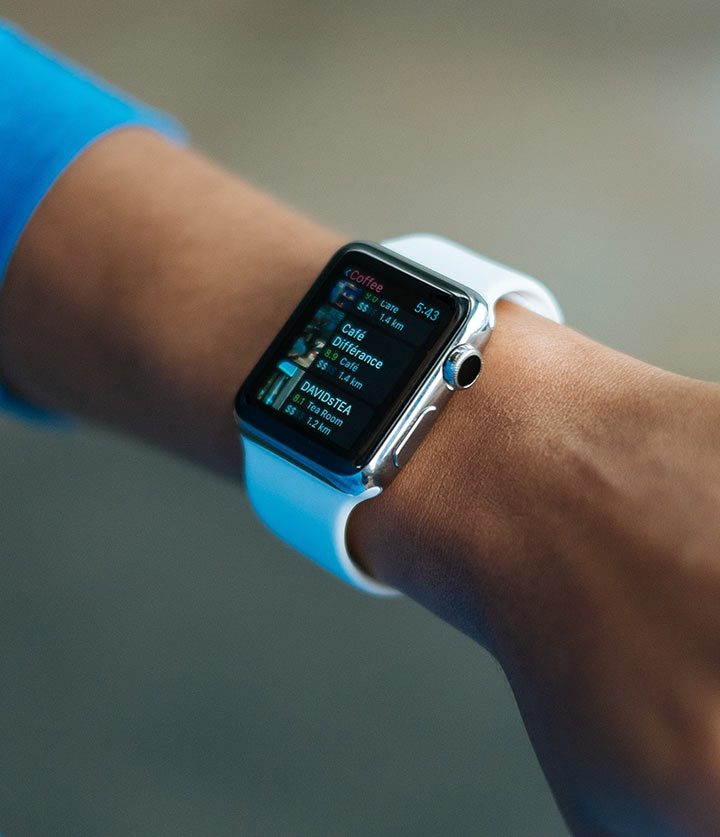
The proliferation of smartphones has democratized access to educational resources, enabling learners to study anytime and anywhere. Mobile-adaptive platforms exemplify this trend, providing flexibility that aligns with the demands of contemporary lifestyles. However, developing effective mobile-adaptive learning apps requires a nuanced understanding of user experience, device constraints, and pedagogical effectiveness.
For example, platforms that seamlessly integrate multimedia content, gamification, and AI-driven feedback mechanisms greatly enhance learner engagement. Moreover, mobile apps facilitate intermittent learning sessions—crucial for busy professionals, adult learners, and students in remote areas—thus increasing overall participation and success rates.
Case in Point: Innovative Approaches in EdTech
Leading EdTech companies are now pioneering adaptive mobile platforms that employ advanced analytics to dynamically modify learning pathways. These systems not only assess academic progress but also consider affective factors such as motivation and confidence, creating a holistic personalized experience.
“Successful adaptive learning platforms must blend robust data science with intuitive design, ensuring that learners are supported and challenged at every step.” — Dr. Elizabeth Moore, Educational Technology Researcher
One notable example is the deployment of mobile applications that incorporate artificial intelligence to deliver real-time, customized content. Such platforms demonstrate a significant improvement in learning outcomes: for instance, a 2021 study published in the Journal of Educational Data Mining showed a 24% increase in course completion rates using AI-driven adaptive mobile apps compared to traditional e-learning modules.
Ensuring Pedagogical Quality and Data Privacy
While technological innovation drives growth, it is imperative that adaptive mobile learning apps adhere to rigorous pedagogical standards. Content must be grounded in evidence-based instructional design, ensuring that personalization enhances comprehension rather than hinders conceptual development.
Equally important is safeguarding learner data. With the increasing use of AI and personal analytics, security protocols and privacy compliance (e.g., GDPR, COPPA) remain critical to maintain trust and integrity in digital learning environments.
Emerging Trends and Future Outlook
- Integration of Augmented Reality (AR): merging AR with mobile adaptive platforms for immersive, experiential learning.
- Advanced Analytics and Predictive Modeling: anticipating learner needs before challenges arise, enabling proactive support.
- Expansion into Lifelong Learning: leveraging mobile adaptation for adult upskilling and corporate training programs.
Conclusion: Personalized Learning as a Fundamental Pillar
The convergence of adaptive algorithms and mobile technology represents a watershed moment in education. As these tools mature, they promise to deliver more inclusive, responsive, and effective learning experiences. For educators, developers, and policymakers, embracing this frontier involves not just technological investment but also a commitment to pedagogical rigor and ethical standards.
For those interested in exploring innovative adaptive learning solutions on mobile, it’s worth noting the accessibility and efficiency of emerging platforms. To experience the potential firsthand, consider get the Scarab Tap mobile app. Designed with users in mind, it exemplifies the latest advancements in personalized educational technology, offering insights into how adaptive learning can transform your educational journey.
References
- HolonIQ. (2022). The Future of Personalized Learning. Market Report.
- Johnson, M. et al. (2021). The Impact of AI-Driven Mobile Adaptive Learning Platforms. Journal of Educational Data Mining.
- Moore, E. (2021). Designing for Engagement: Best Practices in EdTech. Educational Technology Quarterly.
