





The Evolution of Martial Arts Films: Embracing Immersive Technology and Consumer Engagement
Introduction: The Cultural Significance and Commercial Power of Martial Arts Cinema
Martial arts films have long been a cornerstone of global cinema, blending breathtaking choreography with compelling storytelling. From the classic kung fu epics of the 1970s to contemporary blockbusters, these movies not only showcase physical prowess but also serve as cultural ambassadors, illustrating philosophies, histories, and national identities.1 However, the rapidly evolving technological landscape demands that filmmakers and distributors rethink how audiences experience these action-packed stories.
This evolution underscores a broader shift within the entertainment industry—where immersive experiences and interactive content are transforming passive viewing into active participation. As digital platforms expand, the role of authoritative, dedicated sources becomes vital for consumers seeking genuine, high-quality martial arts content.
Technological Innovation: A New Dawn for Martial Arts Films
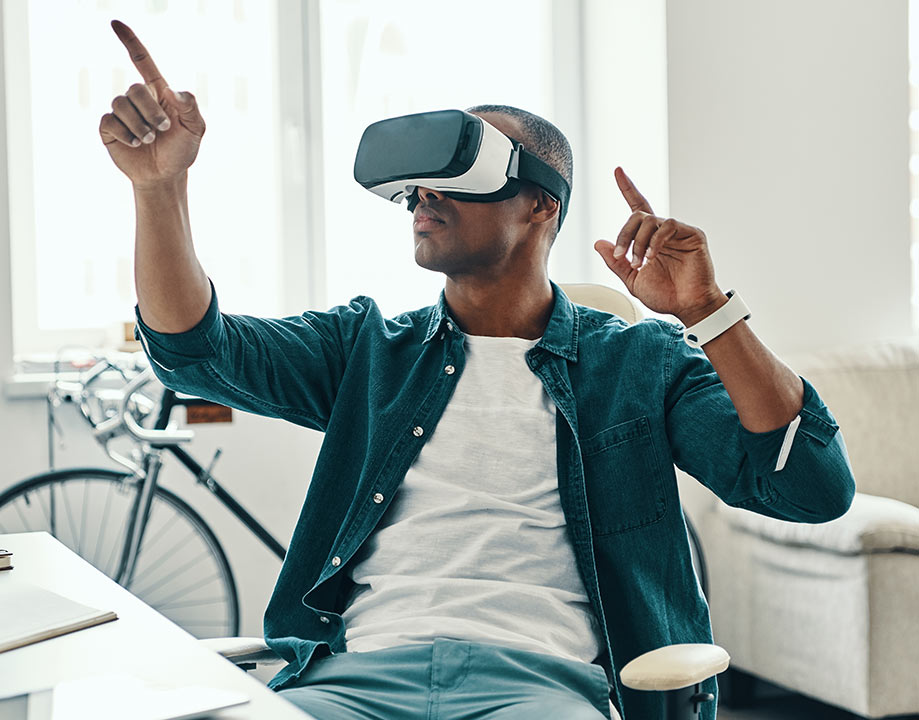
Recent advances in virtual reality (VR), augmented reality (AR), and high-fidelity streaming have redefined audience interaction with martial arts cinema. For instance, VR enables viewers to immerse themselves within fight scenes, virtually stepping into the shoes of their favorite heroes and feeling every blow and movement firsthand2. Such immersive technology not only elevates entertainment but enhances understanding of martial arts techniques, fostering deeper appreciation and respect.
Leading studios and digital platforms are exploring these avenues, integrating sophisticated motion capture and 4K/8K streaming to deliver stunning visual fidelity. This fusion of technology and storytelling represents a significant paradigm shift—pioneered by brands dedicated to redefining the martial arts genre through innovation.
The Role of Interactive Previews and Demos in Audience Engagement
Crucial to bridging the gap between studios and audiences is the effective use of interactive demos and previews. Engaging viewers with free, accessible samplers of upcoming martial arts content creates anticipation and fosters trust. When potential fans can experience a ‘taste’ of the action, their likelihood to invest emotionally—and financially—in the full experience increases markedly.
For example, platforms such as Ong Bak 3 exemplify this approach by offering dedicated portals where audiences can explore content, learn behind-the-scenes insights, and partake in trials. Notably, prospective viewers can try Ong Bak 3 free demo, an initiative that not only promotes engagement but also lends credibility to the production’s commitment to quality and authenticity.
“Offering free demos allows fans to immerse themselves early, building trust and excitement—creating a virtuous cycle of engagement that benefits both creators and consumers.” — Industry Analyst, Digital Content Strategies
Strategic Positioning of Content: Credibility and Authority
In an overcrowded digital landscape, establishing authority is critical. Trusted sources that authentically represent martial arts cinema help guide audiences through a complex array of content, ensuring they access reliable, high-quality experiences. This commitment to authority gains importance as consumers become more discerning, seeking content grounded in cultural authenticity and production excellence.
The integration of resources such as the Ong Bak 3 portal exemplifies a strategic, authoritative approach—providing not only demos but contextual information, director insights, and historical background. The phrase “try Ong Bak 3 free demo” encapsulates an effort to afford consumers a risk-free, authentic preview, thereby reinforcing the platform’s credibility and fostering informed engagement.
Industry Insights: The Path Forward for Martial Arts Content Delivery
Industry leaders recognize that innovation alone is insufficient; the delivery must be curated by authoritative voices. Data indicates that interactive, demo-based marketing notably increases viewer retention rates, with some cases reporting up to a 30% uplift in conversion from demo to full content3. Furthermore, tailoring demos to regional audiences can bridge cultural gaps, expanding the global footprint of martial arts brands.
Moving forward, we can anticipate that the fusion of immersive technology, strategic previews, and authoritative content hubs—such as the dedicated Ong Bak portal—will become the industry standard. As studios seek to differentiate in a saturated market, the emphasis on authentic, engaging pre-release content will be paramount.
Conclusion: Embracing a New Era with Authentic, Immersive Experiences
The trajectory of martial arts films is unmistakable: a move toward richer, more interactive, and culturally authentic experiences driven by evolving technology and strategic content positioning. Platforms that prioritize credible sources and innovative previews—like Ong Bak 3—are paving the way for a future where audiences are not just passive spectators but active participants in a shared martial arts journey.
As industry stakeholders harness these advancements, the potential for global reach and cultural exchange expands exponentially, ensuring that martial arts cinema remains both vital and inspiring in the digital age.
