





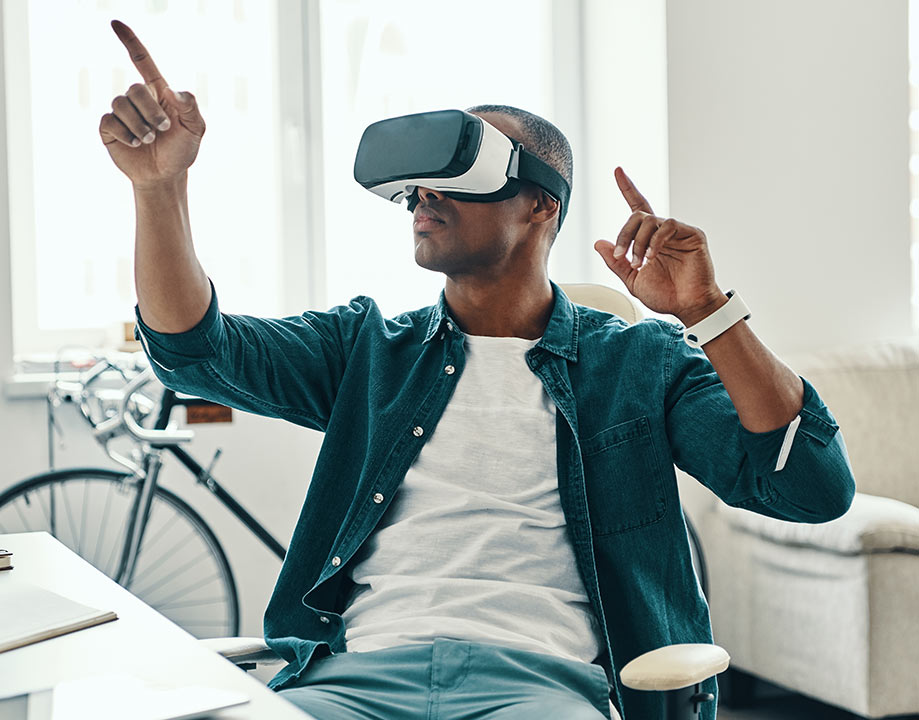
Innovative 3D Tower Climbing Simulations: Transforming Urban Planning and Gaming
In the rapidly evolving landscape of digital visualization, 3D simulation tools have redefined the boundaries between gaming, architectural design, and urban planning. A pivotal development in this domain is the advent of realistic, interactive tower climbing simulations that serve multiple industry needs. This comprehensive exploration examines the significance of advanced tower simulation platforms, underscoring how they influence sectors ranging from entertainment to infrastructure management.
The Spectrum of Applications in Tower Climbing Simulations
Historically, structural analysis and architectural visualization relied on static blueprints and rudimentary models. Today,immersive platforms leverage cutting-edge technologies such as real-time rendering, physics engines, and user-centric interactivity. For instance, virtual tower climbing experiences, exemplified by solutions like the tower rush demo, exemplify this paradigm shift.
This demo, developed by leading simulation experts, enables users to navigate complex high-rise environments safely and intuitively. Its realism and interactive capacity not only entertain but also educate engineers, safety inspectors, and urban planners about structural integrity, emergency egress routes, and aesthetic design considerations.
Industry Insights: Cognitive and Safety Impacts
| Application Area | Key Benefits | Industry Examples |
|---|---|---|
| Urban Planning & Design | Enhances visualization accuracy; aids decision-making; supports stakeholder engagement | City of London’s development simulations; tower design approval workflows |
| Training & Safety Protocols | Simulates emergency scenarios; improves worker preparedness; reduces risk | Firefighter rescue drills; offshore wind tower worker training |
| Gaming & Entertainment | Provides immersive experiences; fosters engagement | VR tower escape games; competitive climbing challenges |
The Cutting Edge: Integrating Realistic Physics and Data Analytics
Modern tower simulation tools incorporate detailed physics modeling, allowing users to experience realistic structural responses to environmental forces, such as wind shear, seismic activity, or material fatigue. This integration supports predictive maintenance, safety assessments, and innovative design practices.
Furthermore, analytics derived from user interactions can inform structural audits and operational routines. For example, data collected from the tower rush demo facilitates understanding of evacuation flow, risk zones, and ergonomic challenges faced by climbers or workers.
Future Directions: AI, AR, and Collaborative Platforms
Looking ahead, artificial intelligence (AI) will enable adaptive simulations that evolve dynamically based on user input and environmental variables. Augmented reality (AR) will extend these experiences beyond screens, overlaying virtual information onto physical towers for onsite workers and inspectors.
Collaborative virtual environments will also become mainstream, allowing multidisciplinary teams to jointly model, test, and optimize tower designs or emergency procedures in real-time, reducing project timelines and boosting safety standards.
Conclusion
The progressive integration of immersive 3D tower climbing simulations exemplifies how technological innovation is reshaping core industries. Platforms like the tower rush demo stand as benchmarks of realism and interactivity, empowering professionals and enthusiasts to better understand and navigate towering structures safely and efficiently. As the fields of urban development, safety management, and entertainment continue to converge around digital simulation, staying at the forefront of these tools becomes essential for industry leaders seeking a competitive edge.
“The future of high-rise management lies in virtual environments that bridge the gap between technology and human expertise, enabling safer, smarter, and more engaging experiences.”
